Ship:Ships of Japan

However, several mistakes and oversights during the war resulted in their near-annihilation by the United States Navy. Design flaws — typically the results of cramming as much weaponry as possible into a limited displacement — caused certain ships to be top-heavy and unstable. While concentrating air assets into a single, cohesive force was as effective as it was revolutionary, their carriers were inadequately protected from counterattacks due to lack of radar, faulty design and configuration of anti-aircraft guns, as well as ineffective fire control systems. The surprise attack on Pearl Harbor, Hawaii of 7 December 1941 was a tactical victory but a strategic error, bringing into the war a nation that — while initially under-prepared and as yet unwilling to go to war — had near-limitless resources and unmatched production capabilities. Compounding the error, little to none of the support facilities based in Pearl Harbor — naval repair yards, fuel depots, logistics infrastructure — were attacked, allowing the United States to quickly recover and strike back with a vengeance from their primary naval base in the Pacific. In contrast, Japan did not have the capabilities to replace their losses as quickly, were incredibly dependent on imports — indeed, reducing that dependency was actually one of the major reasons for Japan's expansionist desires — and their unprotected shipping lines due to under-investment in anti-submarine and anti-aircraft warfare allowed the United States Navy to slowly starve Japan into submission.
Japanese ships tend to have great variations in design; each class encountered is likely to have noticeably different handling characteristics from the previous tier, a result of the IJN constantly experimenting with or influenced by different designs and doctrines. They boast consistently superior torpedoes, accurate and long-range guns with high alpha damage, and outstanding concealment and mobility; however, they suffer from inferior survivability and anti-aircraft defenses. Their play style is very similar to the "decisive battle" doctrine that dominated IJN tactics: strike fast and strike hard with precision at targets of importance and/or opportunity, but every hit taken in exchange will be painfully felt.
Destroyers
Gameplay
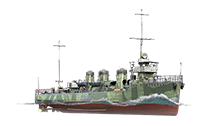
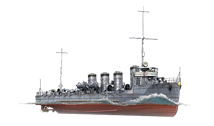
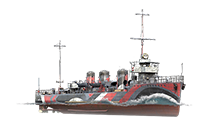
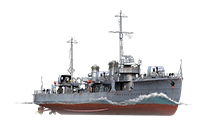
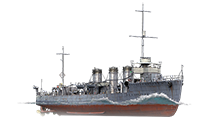
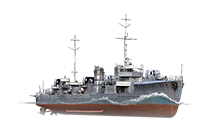
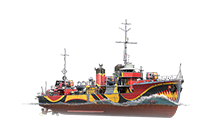
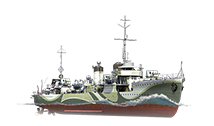
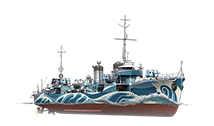
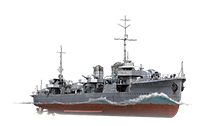
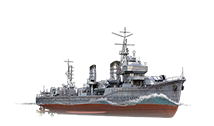
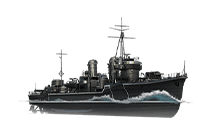
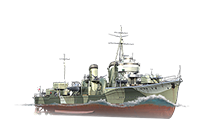
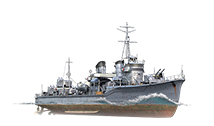
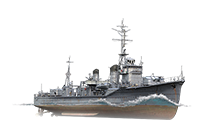
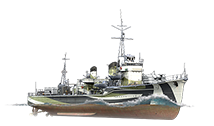
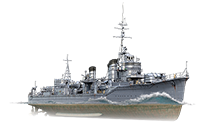
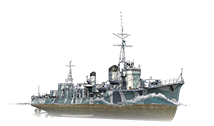
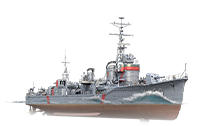
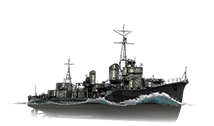
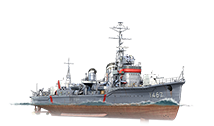
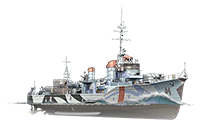
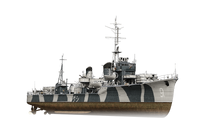
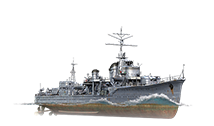
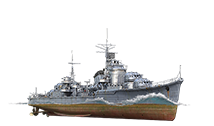
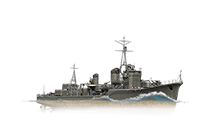
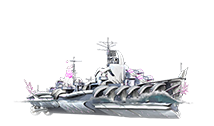
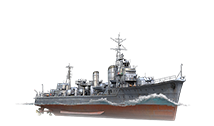
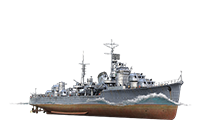
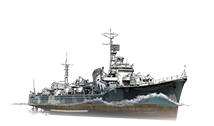
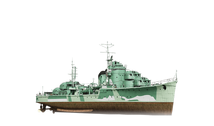
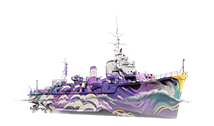
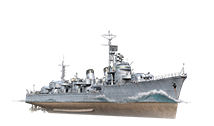
Japanese destroyers rely on remaining unspotted and depend heavily on making good use of their torpedoes; the tech tree splits at Tier V after Isokaze, with one line focusing on torpedoes and the other on gunnery.
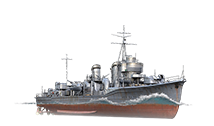
 on Japanese destroyers having fewer charges and shorter durations, giving captains less flexibility to get out of sticky situations. Fortunately, from Tier IX, their concealment values are above average; Tier X's Shimakaze has the best concealment value at her tier. Their torpedoes are unmatched at every tier, having the highest damage and longest ranges of any vessel that can equip torpedoes. This allows them to snipe enemy warships while well out of visual range. Starting with Yūgumo at Tier IX, their guns begin to be more effective and captains get to choose from three types of torpedoes: high-speed (up to an incredible 76 knots) but shorter range and mediocre detection range; very long range but low speed ("low" being something of a misnomer, given that they still move at more than 60 knots) and bad detection range; and an in-between option that has average speed coupled with better detection (though still more easily spotted than other nation's) and range. This allows for variable play styles and keeps opponents guessing. Combined with the Torpedo Acceleration skill the short-range torpedoes can be particularly vicious; it is almost impossible for enemy captains to dodge torpedoes streaking in at a whopping 81 knots. However, while these torpedoes have a long range and are fast, they also have the worst detectability out of all the nations.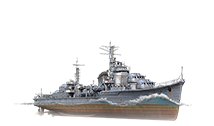
 consumable! As an added bonus, starting from Akizuki, the destroyers mount the Japanese 100mm guns with increased HE shell penetration allowing them to penetrate 30mm armor plating naturally. When paired with the Inertia Fuse for HE Shells commander skill, these guns can penetrate up to 37mm of armor, allowing them to penetrate the bow armor and plating of most high-tier battleships and cruisers. Tier X's Harugumo is the epitome of the IJN gunboat destroyer, spraying copious quantities of shells in all directions. Unfortunately, these ships are equipped with fewer torpedo launchers with longer default reload times, and their mobility is among the worst for destroyers, with inferior speed, maneuverability, and underwhelming acceleration. Further compounding the maneuverability issues are their massive size and larger-than-average detection range from Tier VIII onwards. With all of these quirks, the gunnery-focused destroyers are essentially pseudo-light cruisers.
Cruisers
Gameplay
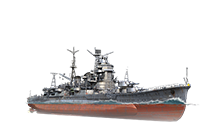
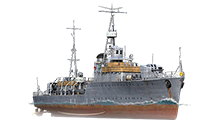
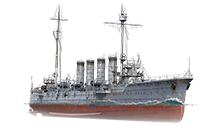
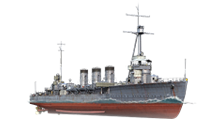
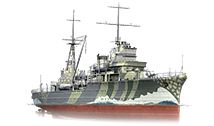
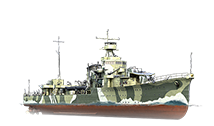
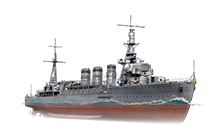
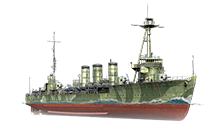
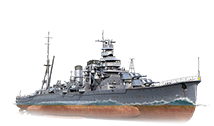
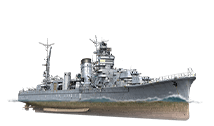
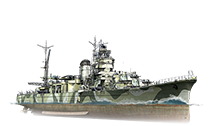
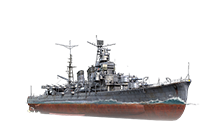
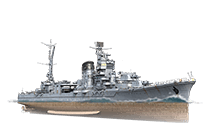
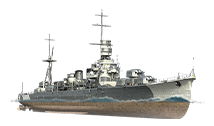
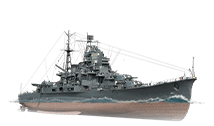
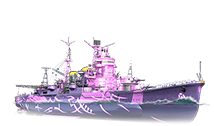
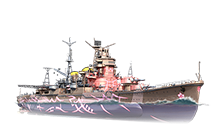
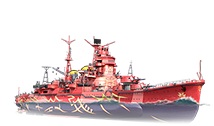
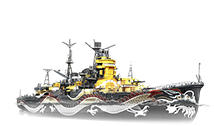
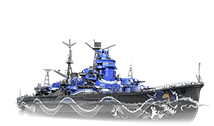
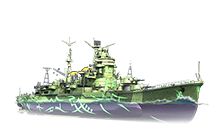
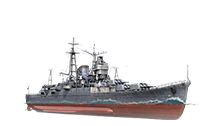
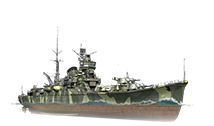
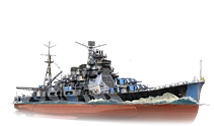
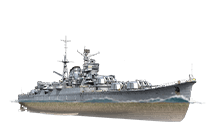
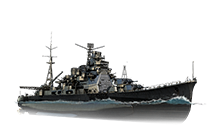
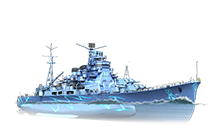
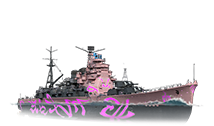
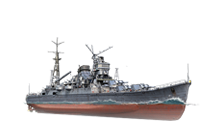
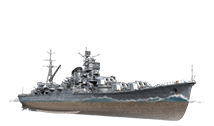
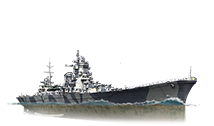
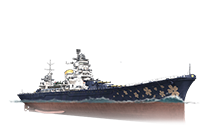
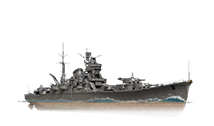
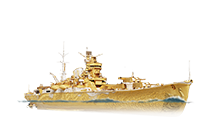
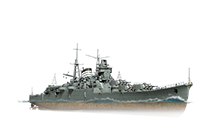
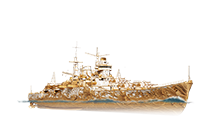
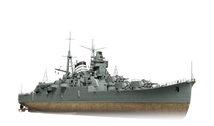
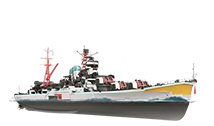
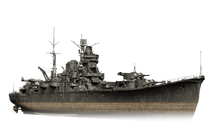
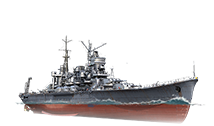
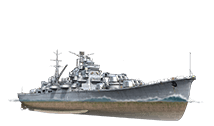
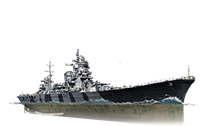
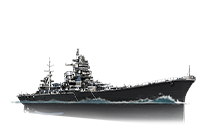
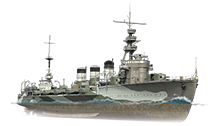
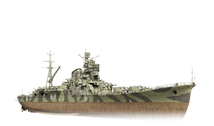
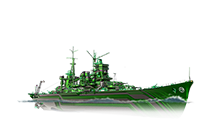
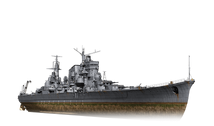
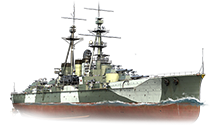
Japanese cruisers tend to have fewer guns housed in slow-turning turrets, coupled with excellent maneuverability and concealment values, and virtually all of them are equipped with a complement of torpedoes that are on par with their destroyer cousins - at the higher tiers, these torpedo tubes will often be located aft of the vessel hampering firing arcs. As such, do not be fooled if a Japanese cruiser starts turning away mid-fight; they may have very likely just launched a spread of torpedoes in your direction. From Tier V's Furutaka onwards, they are equipped with accurate, powerful guns that, while lacking in rate of fire, have reasonable shell arcs and velocity and are able to reliably penetrate or set their enemies on fire; their high explosive shells have some of the highest chances among all cruisers in World of Warships to set targets on fire. Their anti-aircraft suites are sufficient for self-defense, but captains will be hard-pressed to protect their teammates. Tier X's Zao is considered the very pinnacle of what Japanese cruiser design is: difficult to detect, she strikes first and hard. She is capable of giving enemy ships a nasty surprise when they are at close range and is a highly effective surface combatant in all situations.
Battleships
Gameplay
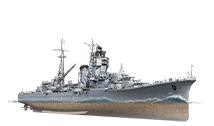
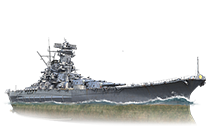
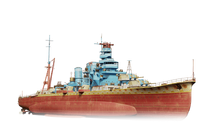
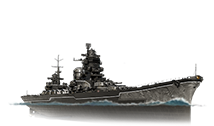
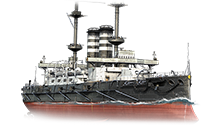
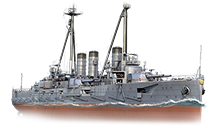
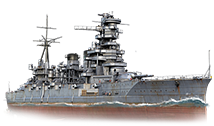
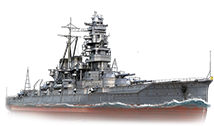
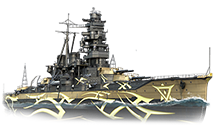
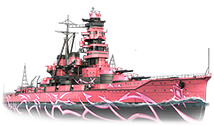
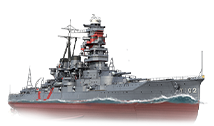
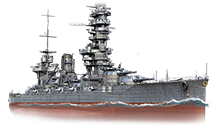
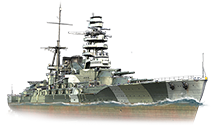
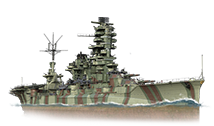
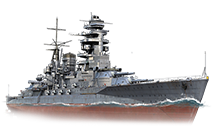
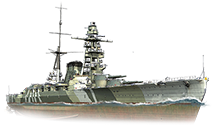
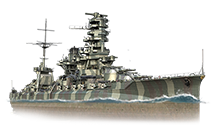
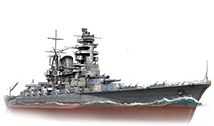
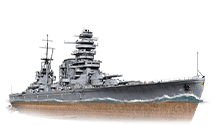
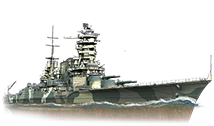
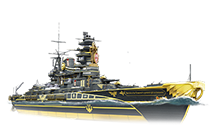
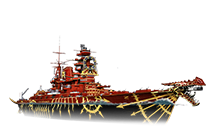
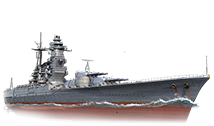
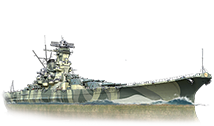
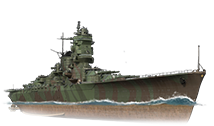
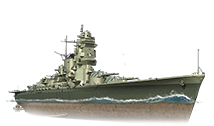
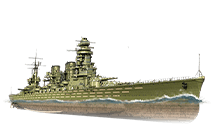
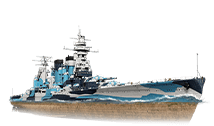
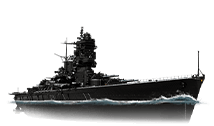
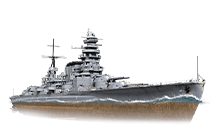
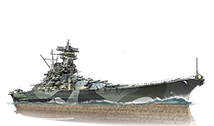
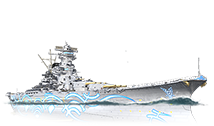
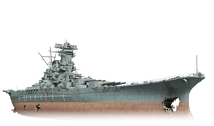
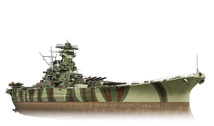
Japanese battleships[7] were somewhat restricted by the Washington Naval Treaty, forcing them to resort to unusual — but often innovative — designs in outfitting their battleships. This resulted in battleships that have widely varying characteristics: the ponderous and slow Kawachi; the fast and agile Kongo; and the well-balanced Nagato. The main line culminates in the crown of their battleship tree, the formidable Yamato. Japanese battleships often have the highest caliber guns with the longest ranges of their tier, which they can extend even further still with Spotting Aircraft, allowing them to rain destruction upon their enemies with impunity. Many of them have good speeds and agility that belies their size and class, but their armor protection frequently lags behind their counterparts of other nations - it tends to be more evenly spread out around the entire ship, so while their citadels may not be as well-protected, at least until Yamato, they have few obvious weak spots. Like their cruiser cousins, their anti-aircraft firepower is sufficient for self-defense, if just barely, but captains will want cruiser support to ward off more concentrated aerial assaults.
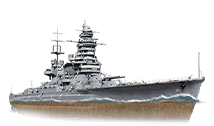
From Nagato, the line splits off with the battle cruisers starting at Yumihari and being more like Kongo with poor armor but good speed and large guns. The also get a spotter aircraft that increases their accuracy allowing them to stay further away and stay effective in battle since most battleships they face will be able to overmatch their 25mm bow and stern armor. As such their play style is very similar to the main line, but with increased risk and reward. They also have better anti-aircraft firepower than the main battleship line allowing them to be able to wander off alone to find flanking positions to make the most of their accurate guns.
Aircraft Carriers
Gameplay
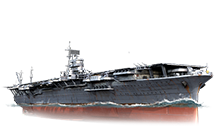
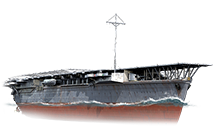
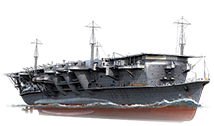
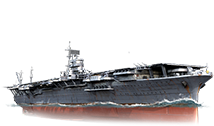
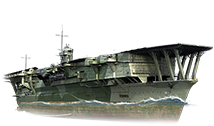
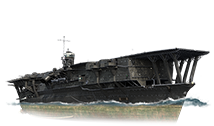
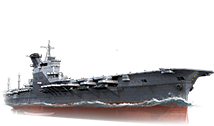
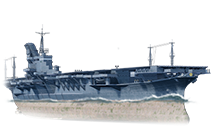
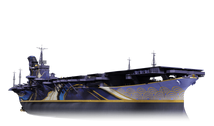
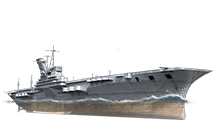
Japanese aircraft carriers have good maneuverability and concealment values, allowing them to re-position and evade enemies exceptionally well. IJN carriers have AP bombers instead of HE with some exceptions like the Tier VIII premium Kaga. This limits their anti-destroyer role as a carrier but highly effective against battleships. Torpedo squadrons carry the best air-borne torpedoes in the game which allow players to drop their load at safer distances from anti-air. Japanese carriers also have planes with the lowest health pools resulting in lower survivability when engaging ships with high anti-air capabilities. Poor or reckless endangerment of their squadrons will end up in the carrier running out of aircraft and thus being of limited use to the team. Hakuryu — or G15 Taiho Mod. 2 in official designation — currently represents the pinnacle of what IJN carriers might have achieved, as it can theoretically destroy even the toughest battleships with sheer squadron numbers alone.
Submarines
Gameplay
Videos
Destroyers

Cruisers
Battleships
Aircraft Carriers
See also
Notes
Naval Academy - IJN Cruisers - Jun 16, 2015 - World of Warships Official Channel - YouTube
Japanese Destroyers: the Set is Complete! - 08/18/2018 - News - World of Warships
- ↑ Imperial Japanese Navy (Wikipedia) and Naval history of Japan (Wikipedia) and Ships of the Imperial Japanese Navy (Wikipedia)
- ↑ Battles of the Imperial Japanese Navy (Wikipedia)
- ↑ Imperial Japanese Navy in World War II (Wikipedia) and Japanese Navy ships and war vessels in World War II (Wikipedia)
- ↑ Aircraft of the Imperial Japanese Navy (Wikipedia)
- ↑ Cruiser classes of the Imperial Japanese Navy (Wikipedia)
- ↑ Destroyers of Japan - (Wikipedia) and Japanese destroyers of World War II (Wikipedia)
- ↑ Battleships of Japan (Wikipedia)
