User:InterconKW/sandbox
InterconKW (talk | contribs) Commonwealth |
InterconKW (talk | contribs) Wording |
||
| Line 30: | Line 30: | ||
*[[Ship:Ships_of_Pan-America|Pan-American]] cruisers have armament similar to American and British light cruisers, with good anti-aircraft defenses and combat instructions previously only found on ''superships'' that augment their high survivability with an improved {{Repair Party}}. However, their main guns only fire AP rounds, and they have weak armor. | *[[Ship:Ships_of_Pan-America|Pan-American]] cruisers have armament similar to American and British light cruisers, with good anti-aircraft defenses and combat instructions previously only found on ''superships'' that augment their high survivability with an improved {{Repair Party}}. However, their main guns only fire AP rounds, and they have weak armor. | ||
*[[Ship:Ships_of_Spain|Spanish]] cruisers are largely based on Italian export designs, and have high detectability, spaced armor at higher tiers as well as large caliber guns with decent ballistics. Despite their lower damage per minute, they are capable of using their "Burst Fire" alternative fire mode to deal a large, precise alpha strike when needed. | *[[Ship:Ships_of_Spain|Spanish]] cruisers are largely based on Italian export designs, and have high detectability, spaced armor at higher tiers as well as large caliber guns with decent ballistics. Despite their lower damage per minute, they are capable of using their "Burst Fire" alternative fire mode to deal a large, precise alpha strike when needed. | ||
*[[Ship:Ships_of_Commonwealth|Commonwealth]] cruisers are often derived from British-style designs - They have vulnerable citadels, but compensate for it with a high output of damaging high-explosive shells fired from the cover of their Crawling {{Smoke Generator}} | *[[Ship:Ships_of_Commonwealth|Commonwealth]] cruisers are often derived from British-style designs - They have vulnerable citadels, but compensate for it with a high output of damaging high-explosive shells fired from the cover of their Crawling {{Smoke Generator}}, as well as improved tools to detect and attack submarines. | ||
}} | }} | ||
Latest revision as of 15:37, 8 August 2026

In World of Warships, cruisers serve as the primary class to apply consistent damage and provide utility, though the cruiser lines of each nation are usually unique in characteristics. Cruisers often come with a wide array of tools to help them adapt to many situations and can have up to four (4) slots for consumables, the most of any ship class. As with all other ships, the first slot will be filled with Damage Control Party
 ; after that, options abound depending on which nation is being played. Hydroacoustic Search
  increases the range at which your ship can detect enemy ships and torpedoes, even through smoke screens; Defensive AA Fire
  increases the intensity (but not necessarily effectiveness) of a cruiser's anti-aircraft batteries, greatly reducing the performance of enemy aircraft unfortunate enough to be caught on the receiving end; Catapult Fighter
  launches fighter aircraft from the cruiser's catapults that escorts the cruiser and engages enemy aircraft that wander too close; Spotting Aircraft
  allows a cruiser to extend the range of its main battery guns for a period of time; Surveillance Radar
  detects enemy ships outside of their visibility range for a short duration; Engine Boost
  increases the top speed of a ship for the duration of the consumable; Smoke Generator
  provides cover where needed on the battlefield and obscures enemy vision; and at Tiers VI and higher (Tier II for Pan-American, tier III for British), they receive access to the same Repair Party
  ability that battleships have, enabling them to regenerate some of the damage taken during battle.
Cruisers by Nation
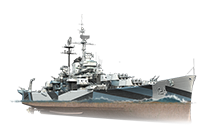
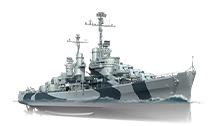
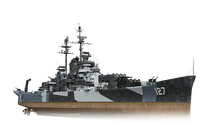
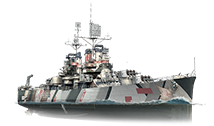
U.S.A.

Japan

Germany
U.S.S.R.
Pan-Asia
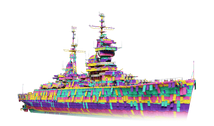
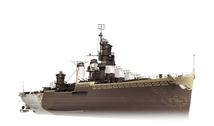
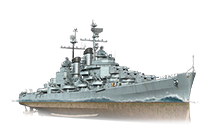
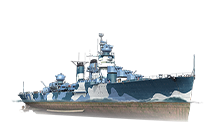
U.K.
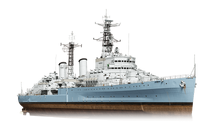
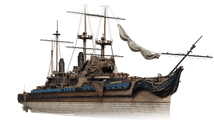
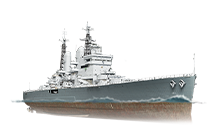
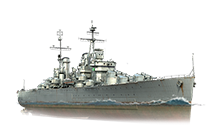
Italy
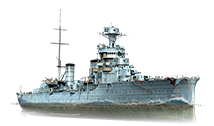
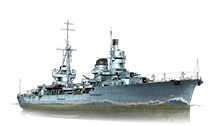
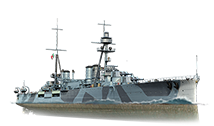
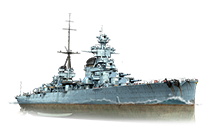
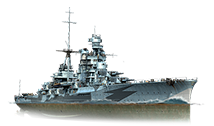
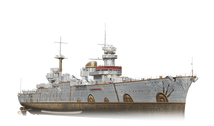
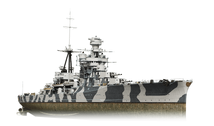
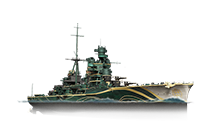
France
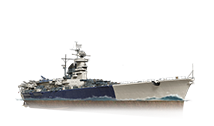
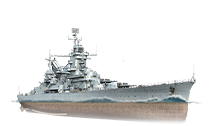
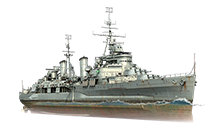
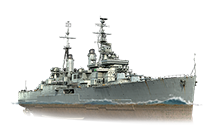
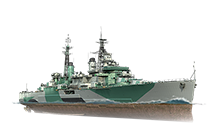
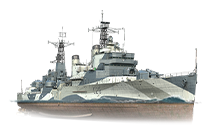
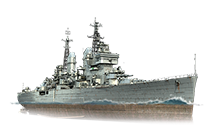
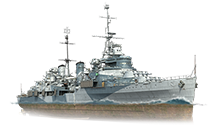
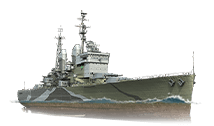
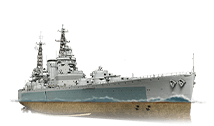
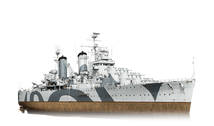
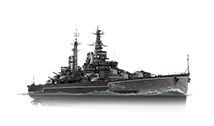
Commonwealth
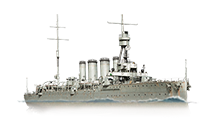
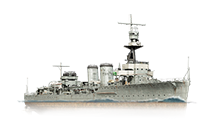
Netherlands
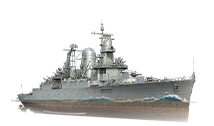
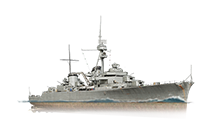
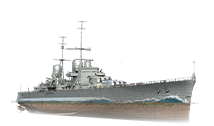
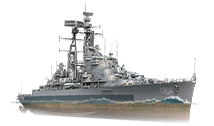
Pan-America
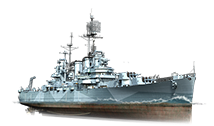
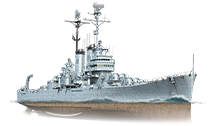
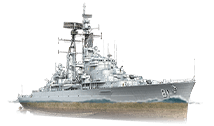
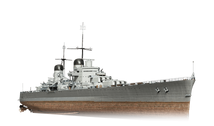
Spain
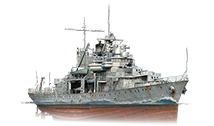
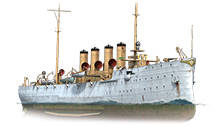
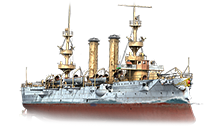
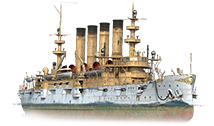
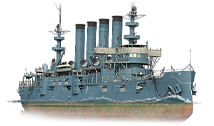
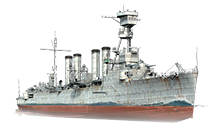
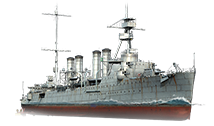
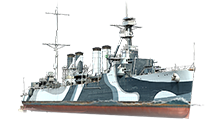
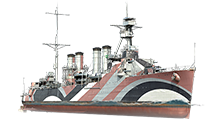
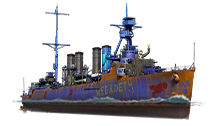
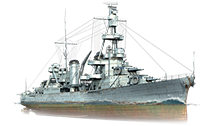
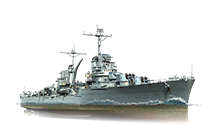
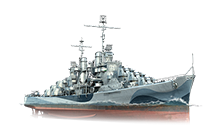
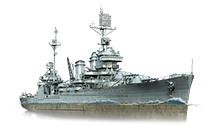
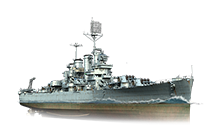
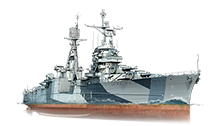
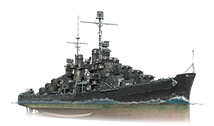
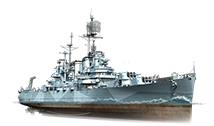
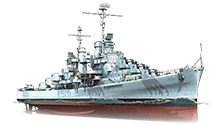
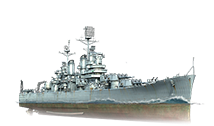
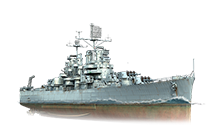
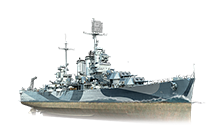
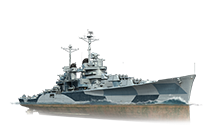
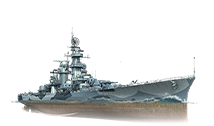
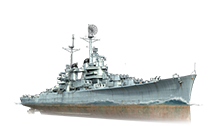
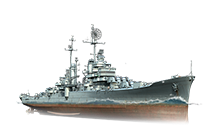
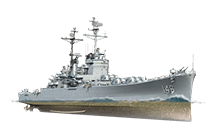
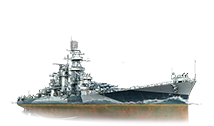
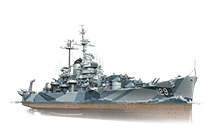
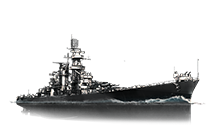
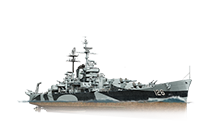
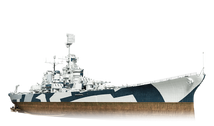
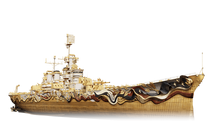
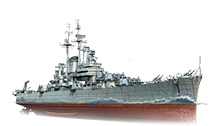
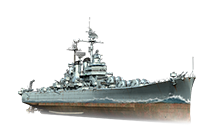
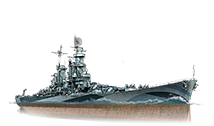
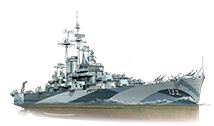
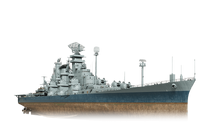
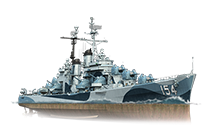
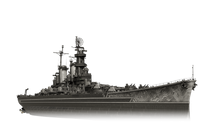
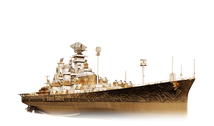
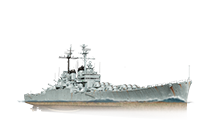
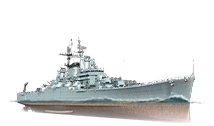
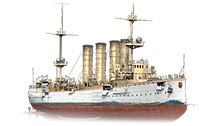
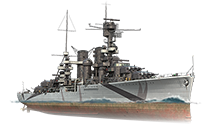
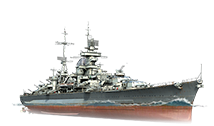
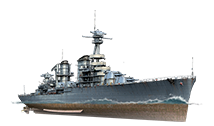
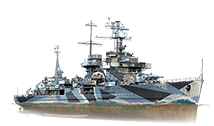
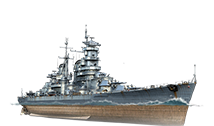
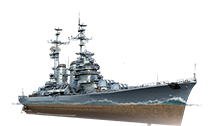
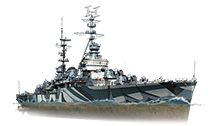
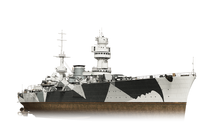
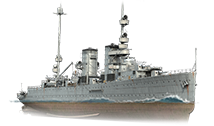
- American cruisers tend to have strong anti-aircraft defenses and a large array of teamplay-oriented consumables like Surveillance Radar , as well as high damage output effective at shorter ranges, combined with conventional armor layouts that make them susceptible to damage but protect them from citadel hits. Additionally, they typically do not carry torpedoes. Of course, there are some exceptions.
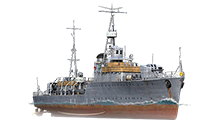
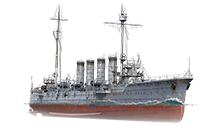
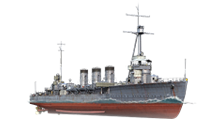
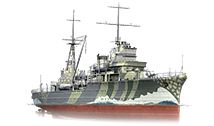
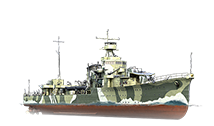
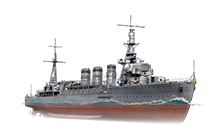
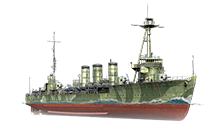
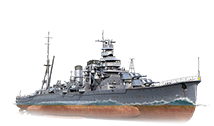
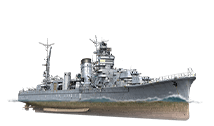
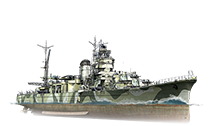
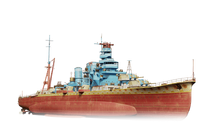
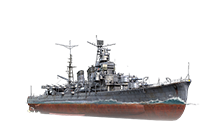
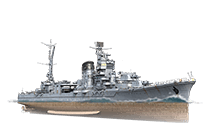
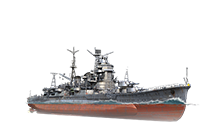
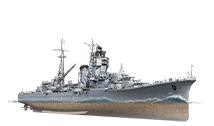
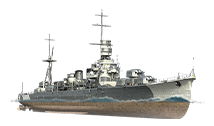
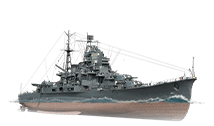
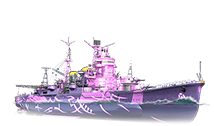
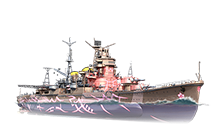
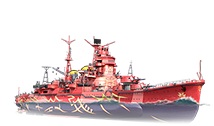
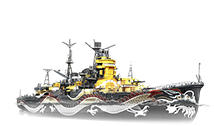
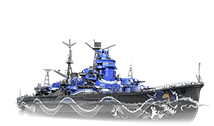
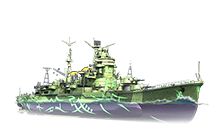
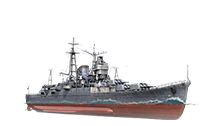
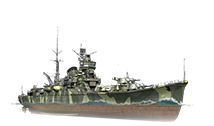
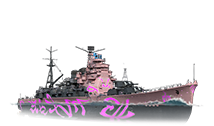
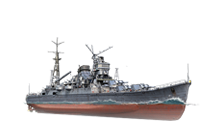
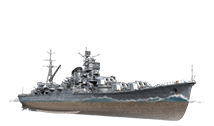
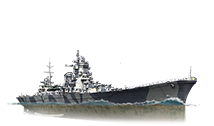
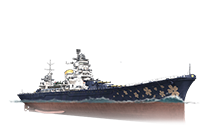
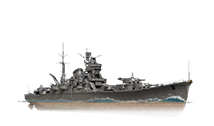
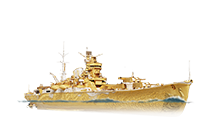
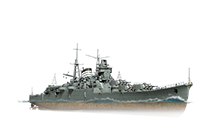
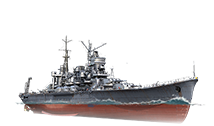
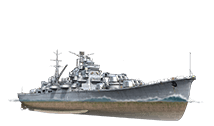
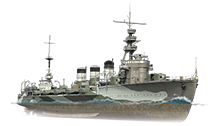
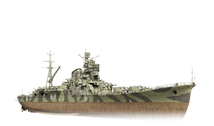
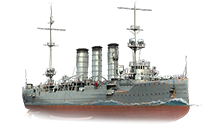
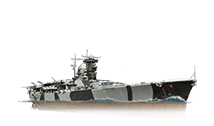
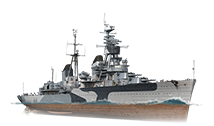
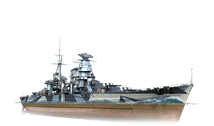
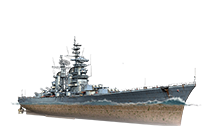
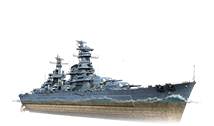
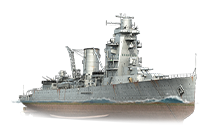
- Japanese cruisers are manuverable, stealthy, and have powerful torpedo armaments and high-explosive shells with good fire chances, but lack sufficient anti-aircraft defense and have relatively vulnerable citadels despite decent armor coverage.
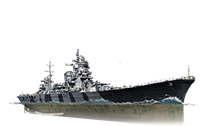
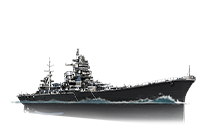
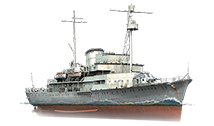
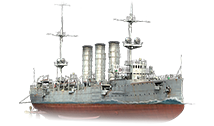
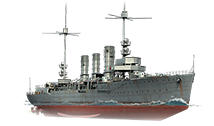
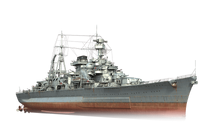
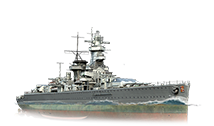
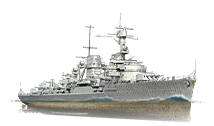
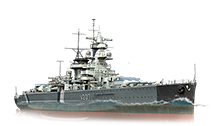
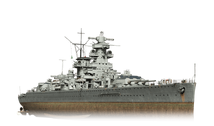
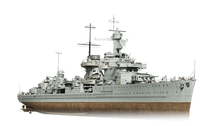
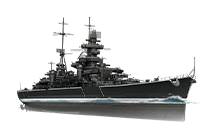
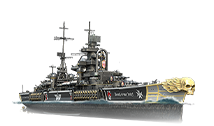
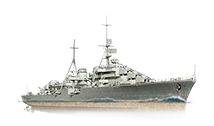
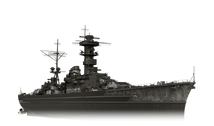
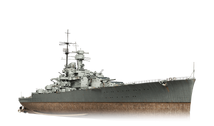
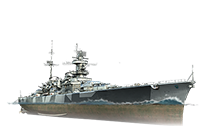
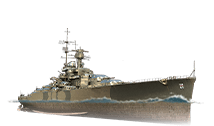
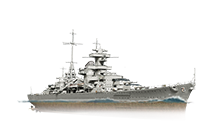
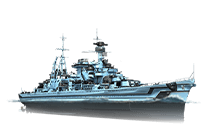
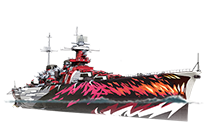
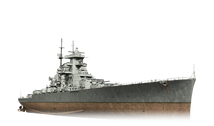
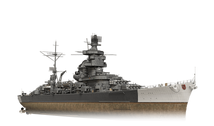
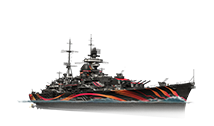
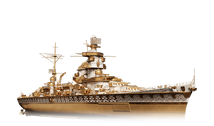
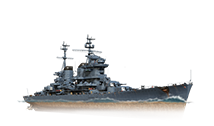
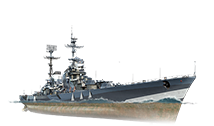
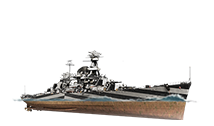
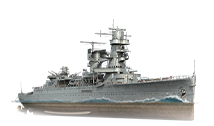
- German cruisers are large, with mediocre concealment, access to a typical improved German Hydroacoustic Search , armor-piercing shells that inflict relatively large amounts of damage, as well as high-explosive shells that have improved penetration formulas but lower damage. The Hindenburg line are reliable damage dealers, while the "Panzerschiffe" line to Prinz Adalbert trades consistent damage output for large guns, sturdy protection and manually controlled secondary batteries.
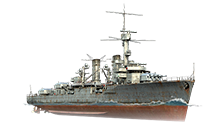
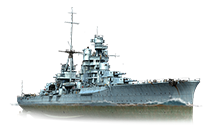
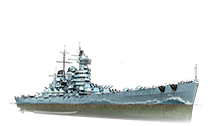
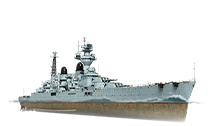
- French cruisers are sleek and fast, able to quickly reposition using Engine Boost , with excellent firing ranges and spaced armor at high tiers, but with fairly weak anti-aircraft defenses and low main battery damage per minute.
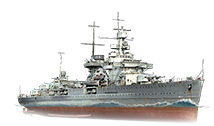
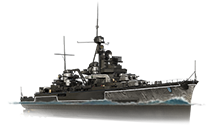
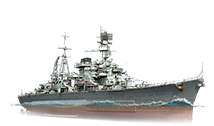
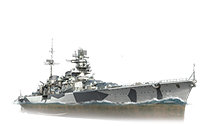
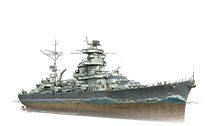
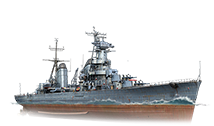
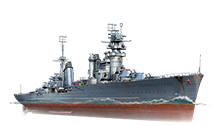
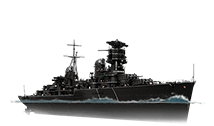
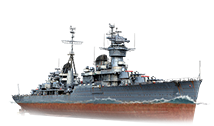
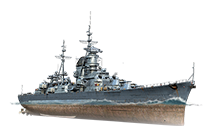
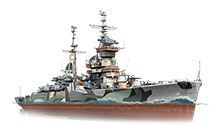
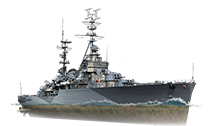
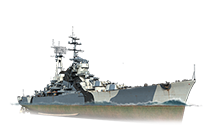
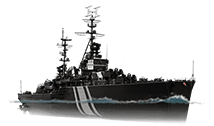
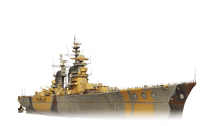
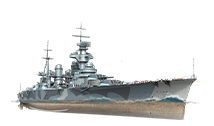
- Russian cruisers have very long firing ranges with comfortable ballistics due to their high muzzle velocity and are well protected against both HE and AP overmatch when angled, but have highly vulnerable citadels when not. They also typically have large detection ranges, and worse ship handling attributes compared to other nations.
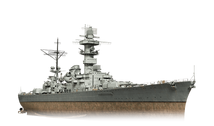
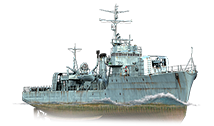
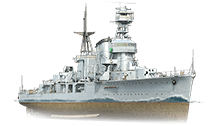
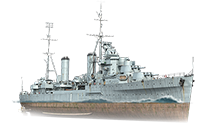
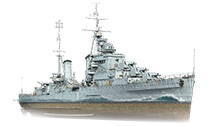
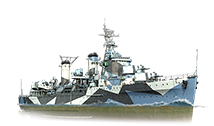
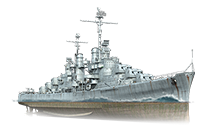
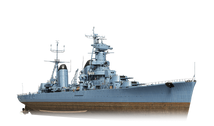
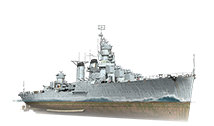
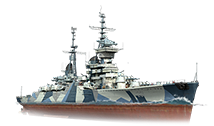
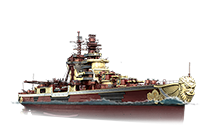
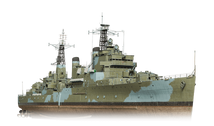
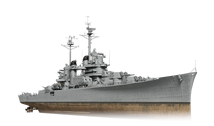
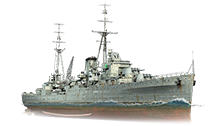
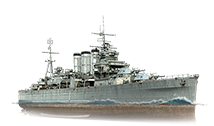
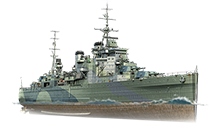
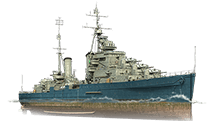
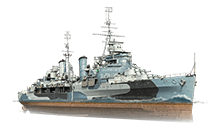
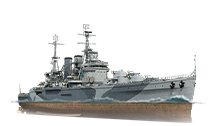
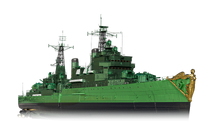
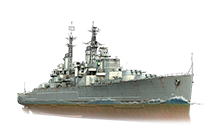
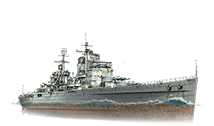
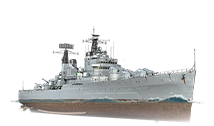
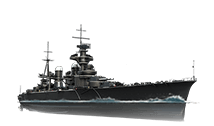
- British cruisers consist of light cruisers (to Minotaur) with quick-firing, mid-caliber guns only being able to fire AP rounds, and heavy cruisers (to Goliath) with large calibre guns that have great HE rounds but poor AP rounds. Both lines have generous compliments of torpedoes that can be launched one by one, improved handling characteristics and unique consumable combinations, but are hindered by exceptionally poor armor layouts rendering them vulnerable to citadel hits.
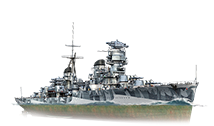
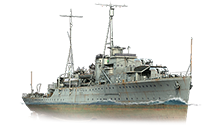
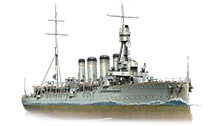
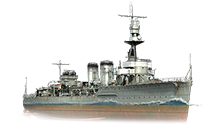
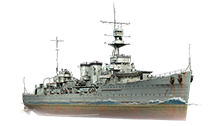
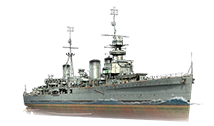
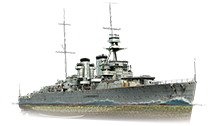
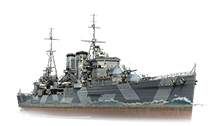
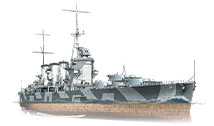
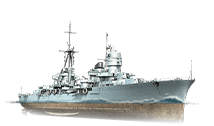
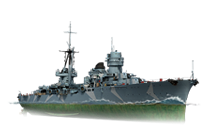
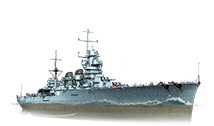
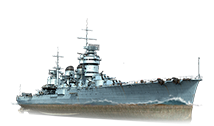
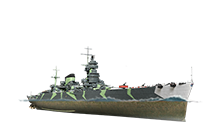
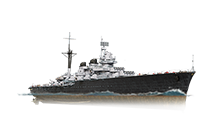
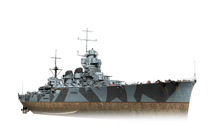
- Italian cruisers have access to SAP shells that do high damage to lightly armored opponents and unique consumables, but have a large detection range, slow torpedoes, and no HE shells for their main battery limiting their ability to set fires.
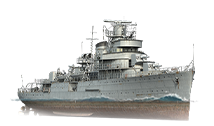
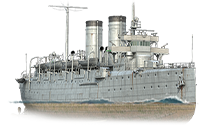
- Dutch cruisers have excellent anti-aircraft defenses and starting from tier VI have the ability to call in carpet-bomb airstrikes, though they do not carry torpedoes. The line starts off as fragile light cruisers - Towards Utrecht they double down on their high manuverability and damage output, but towards Gouden Leeuw, starting from Tier VIII, they have large calibre guns and heavy armor, suffering the increased fire and flooding durations of other "Large Cruisers".
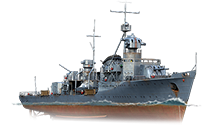
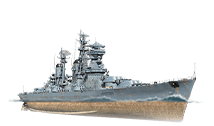
- Pan-Asian cruisers are stealthy, barely-armored "superlight" cruisers armed with a large number of powerful and stealthly deep-water torpedoes, heavy anti-aircraft defenses, and rapid-firing destroyer calibre guns that struggle to do direct damage to larger vessels at higher tiers but provide strong firestarting capabilities.
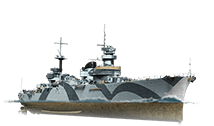
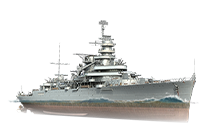
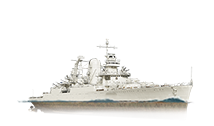
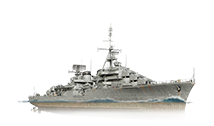
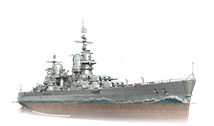
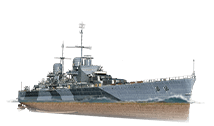
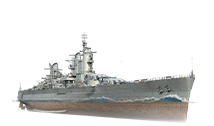
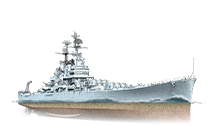
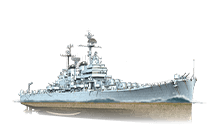
- Pan-American cruisers have armament similar to American and British light cruisers, with good anti-aircraft defenses and combat instructions previously only found on superships that augment their high survivability with an improved Repair Party . However, their main guns only fire AP rounds, and they have weak armor.
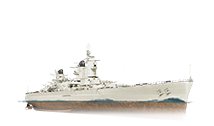
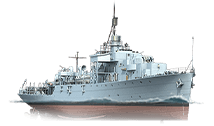
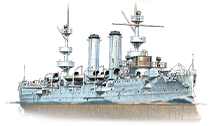
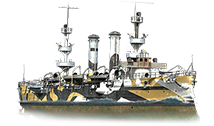
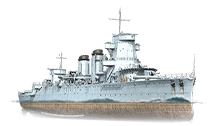
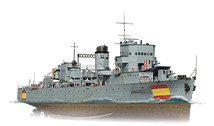
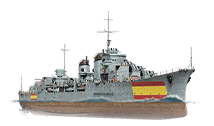
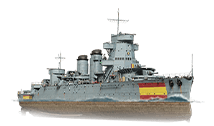
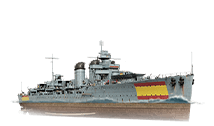
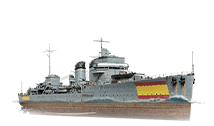
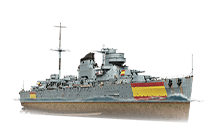
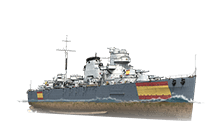
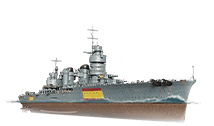
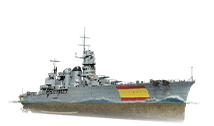
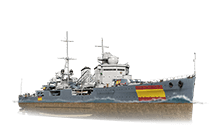
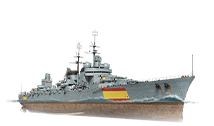
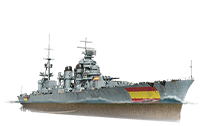
- Spanish cruisers are largely based on Italian export designs, and have high detectability, spaced armor at higher tiers as well as large caliber guns with decent ballistics. Despite their lower damage per minute, they are capable of using their "Burst Fire" alternative fire mode to deal a large, precise alpha strike when needed.
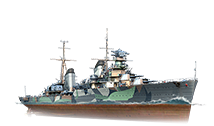
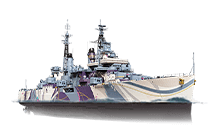
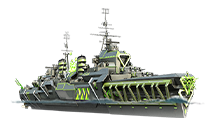
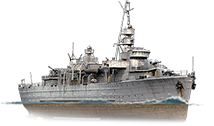
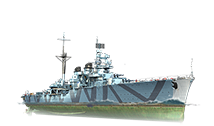
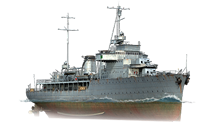
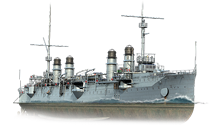
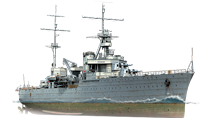
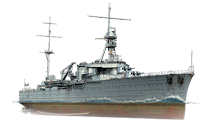
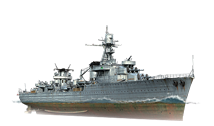
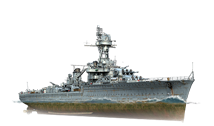
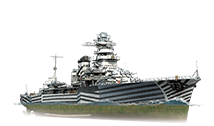
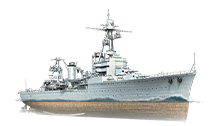
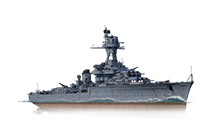
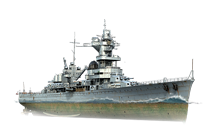
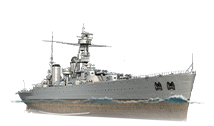
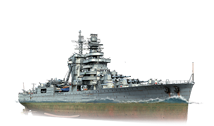
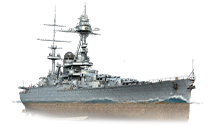
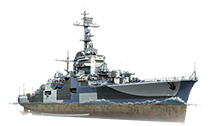
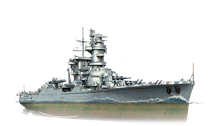
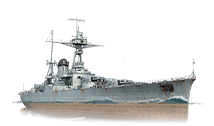
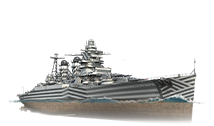
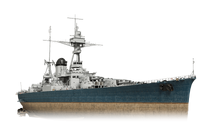
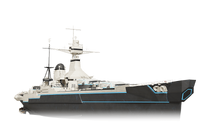
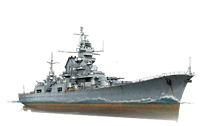
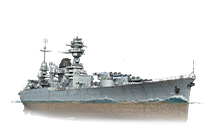
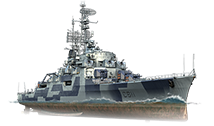
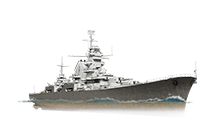
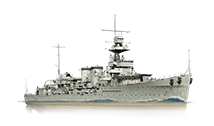
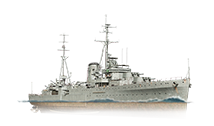
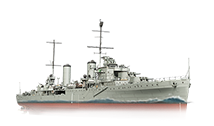
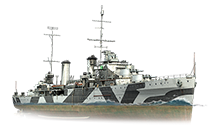
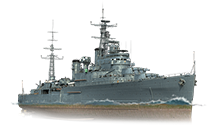
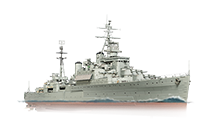
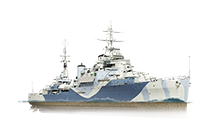
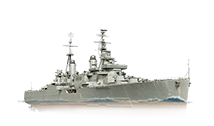
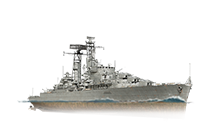
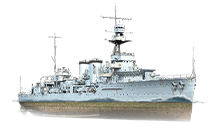
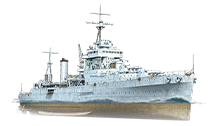
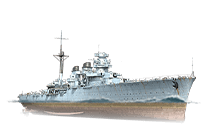
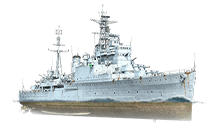
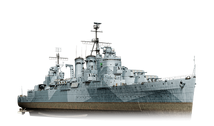
- Commonwealth cruisers are often derived from British-style designs - They have vulnerable citadels, but compensate for it with a high output of damaging high-explosive shells fired from the cover of their Crawling Smoke Generator , as well as improved tools to detect and attack submarines.
Historical Background
Rather than a category of vessel, the designation of "cruiser" originally described the purpose or mission for the ship; to "cruise" long distances in escort, scouting, and raiding duties, or simply to provide an intermediate military presence where the deployment of larger, more expensive battleships were deemed strategically and financially unwise. The advent of steam power and steel accelerated the growth of the cruiser's development, discarding unwieldy, unreliable sails and wooden hulls for powerful engines and stronger hulls and components. Up to the opening stages of World War II, the various naval treaties — or their evasion thereof — created classes of cruisers such as "heavy cruiser", "battlecruiser", or "pocket battleship", reflecting their disproportionate firepower and performance in contrast to what the treaties were supposed to limit. In the present day, advances in technology and a blurring of lines between surface ship classes result in "destroyers" capable of performing the duties that once required a cruiser's services more cheaply, efficiently and effectively, leading to its declining use in most navies. However, certain large and heavily-armed destroyers are still referred to as cruisers on occasion, reflecting their versatility.
This is reflected in World of Warships: While the various nations had different mindsets when it came to the duties expected of cruisers, and outfitted them accordingly, cruisers can be considered the jack-of-all-trades, master-of-none class of warship. Almost all of them are able to adequately respond to changes in the battlefield and project considerable influence in the sector, outgunning anything they cannot outrun, and outrunning anything they cannot outgun; they are most commonly expected to act as destroyer and AA screens. A good cruiser captain watches the flow of battle and adapts to the circumstances as they unfold.

